Articles Written By: Robert Kohen

Macaulay Honors College (CUNY)

I recently attended an information session at Macaulay Honors College (CUNY) and spoke with the admissions office about the latest trends in admissions. Here are some takeaways:

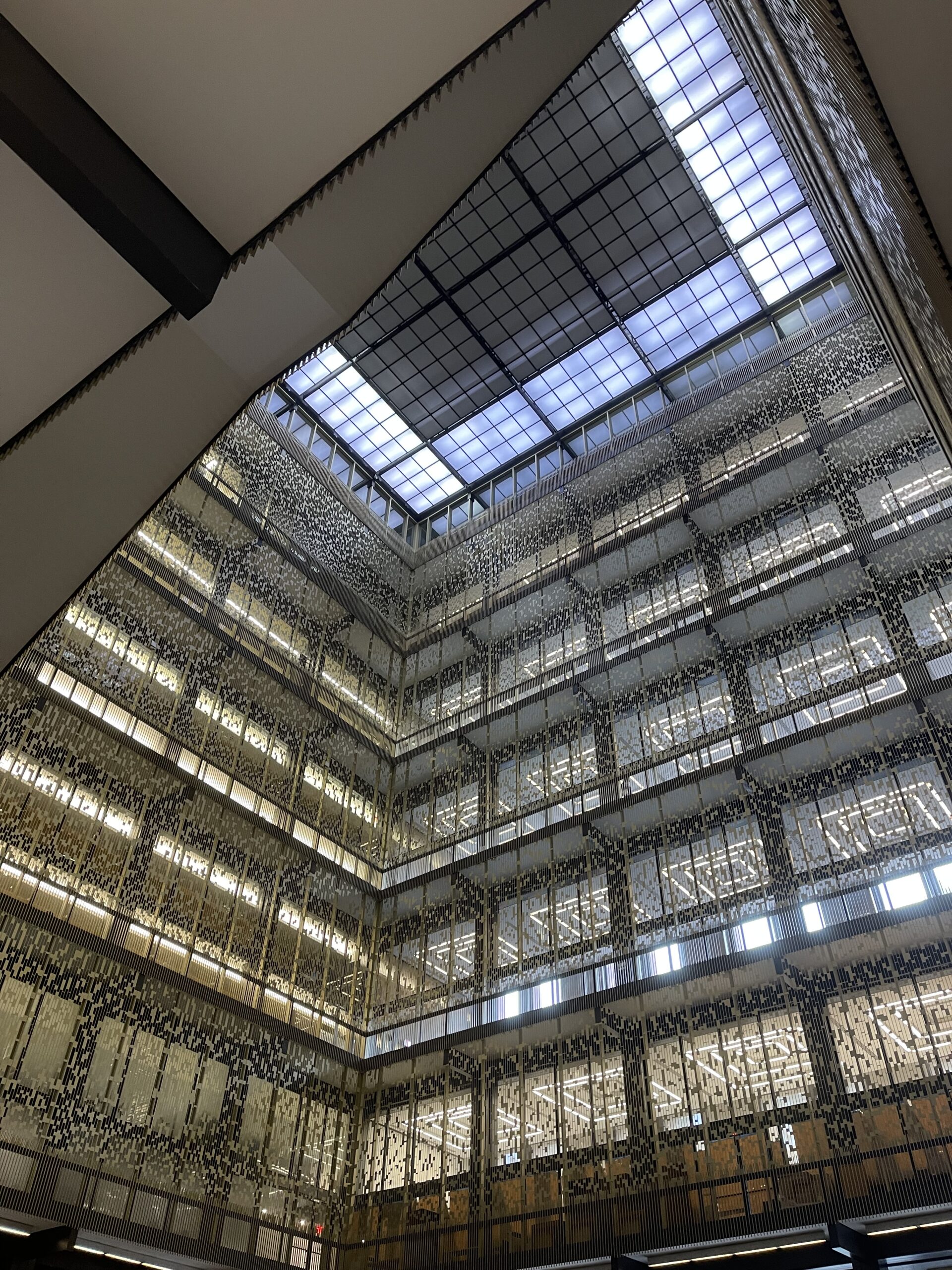
· The admit rate at Macaulay is around 5%. Students must select one of the CUNY colleges to attend as a Macaulay student. Each college has a Macaulay honors lounge, students are guaranteed housing for a few years on some campuses, and there is also a Macaulay building on the Upper West Side where many club meets and some Macaulay courses take place.

· In addition to the coursework required at their home college (students receive priority registration), Macaulay students takes four liberals arts seminars, each capped at 20 students, over their first two years. Each course focuses on a different discipline but takes New York City as its object of study and classroom.

· In addition to merit scholarships that cover all tuition, Macaulay provides additional funding for student research, internships and study abroad.

· Macaulay students receive their own special advising, wellness and career counseling services. Macaulay advisors are typically much more responsive than the home-college advisor.

· Admissions recommends submitting a one-page resume with your application.

Hunter College

I recently visited Hunter College in Manhattan, where I toured the campus and spoke with the admissions office about the latest trends in admissions. Here are some takeaways from my visit:

· Admissions are rolling, meaning the earlier you apply the better (ideally, apply in September or the first half of October).

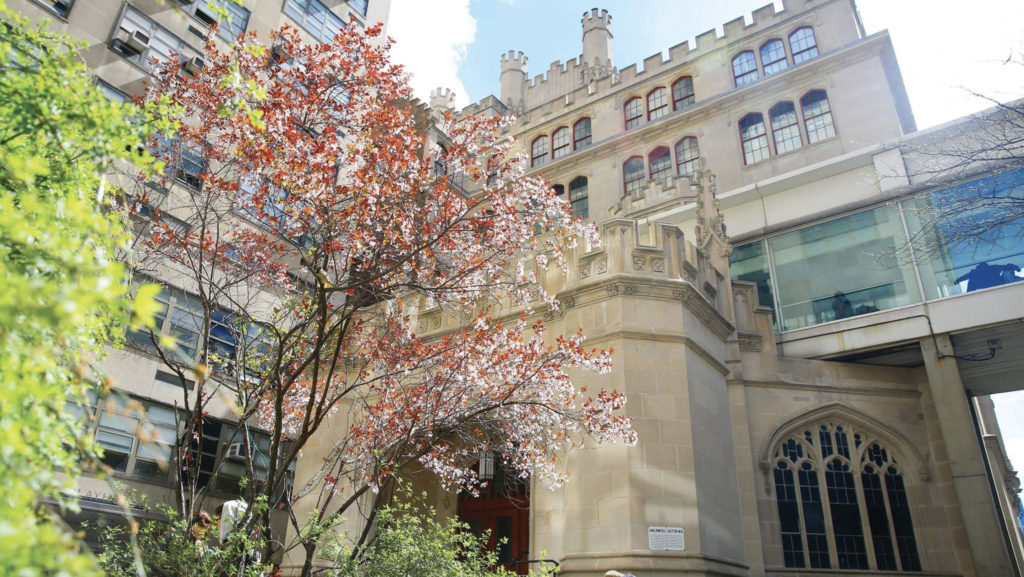
· Located on Manhattan’s Upper East Side, Hunter offers an urban education with a commuter-school feel. Nearly 95% of students live off-campus, and of those who live in campus housing, a majority live in a dorm located about 40 blocks south of the main campus. Priority for housing goes to students not from NYC. There are, however, over 100 student-run clubs and organizations and various small eateries around campus (despite there being no large dining hall).

· Hunter has its own honors program (Honors Scholars Program — different than the CUNY-wide Macaulay Honors College) that includes two years of guaranteed housing and priority course registration. It offers around two honors classes, which incorporate experiential learning in New York City. Macaulay Honors College students can also choose Hunter as their campus (they will receive a degree jointly conferred by Hunter and Macaulay when they graduate).

· While some buildings are in need of renovation, the Cooperman Library recently underwent a multimillion-dollar renovation.

· Hunter is the only college in the city with an entire building–Baker Hall–dedicated to just theater and the performing arts.

· Hunter offers both short (4-6 weeks) and long-term study abroad programs, including the Chinese Flagship Program where you major or minor in Chinese and spend three years at Hunter and one year in China or Taiwan.

· There are various teaching hospitals not far from campus where pre-med students can intern.

Fordham University Visit

This week I visited Fordham University in the Bronx, where I toured the campus and spoke with the admissions office. Here are some takeaways from my visit:

· Students in most majors can study either on the Bronx or Manhattan campus.

· Fordham offers a 6-year BA-JD, a 5-year BA-MBA, as well as a 3-2 engineering program with Columbia and Case Western.

· Advanced music students can take music classes at Julliard’s evening division, and Fordham offers a BFA for dancers in tandem with The Ailey School.

· Premeds attend a first-year course that features guest talks from medical school admission officers, and students can complete medical research through partnerships with the Albert Einstein College of Medicine and Montefiore Health System.

· Students complete internships with 3500 partner organizations.

· As a Jesuit campus, Fordham has a social justice and public service focus. Their local, national and global social justice programs include nonprofit internships, volunteer positions, classes and community engagement projects. Students complete over one million service hours every year.

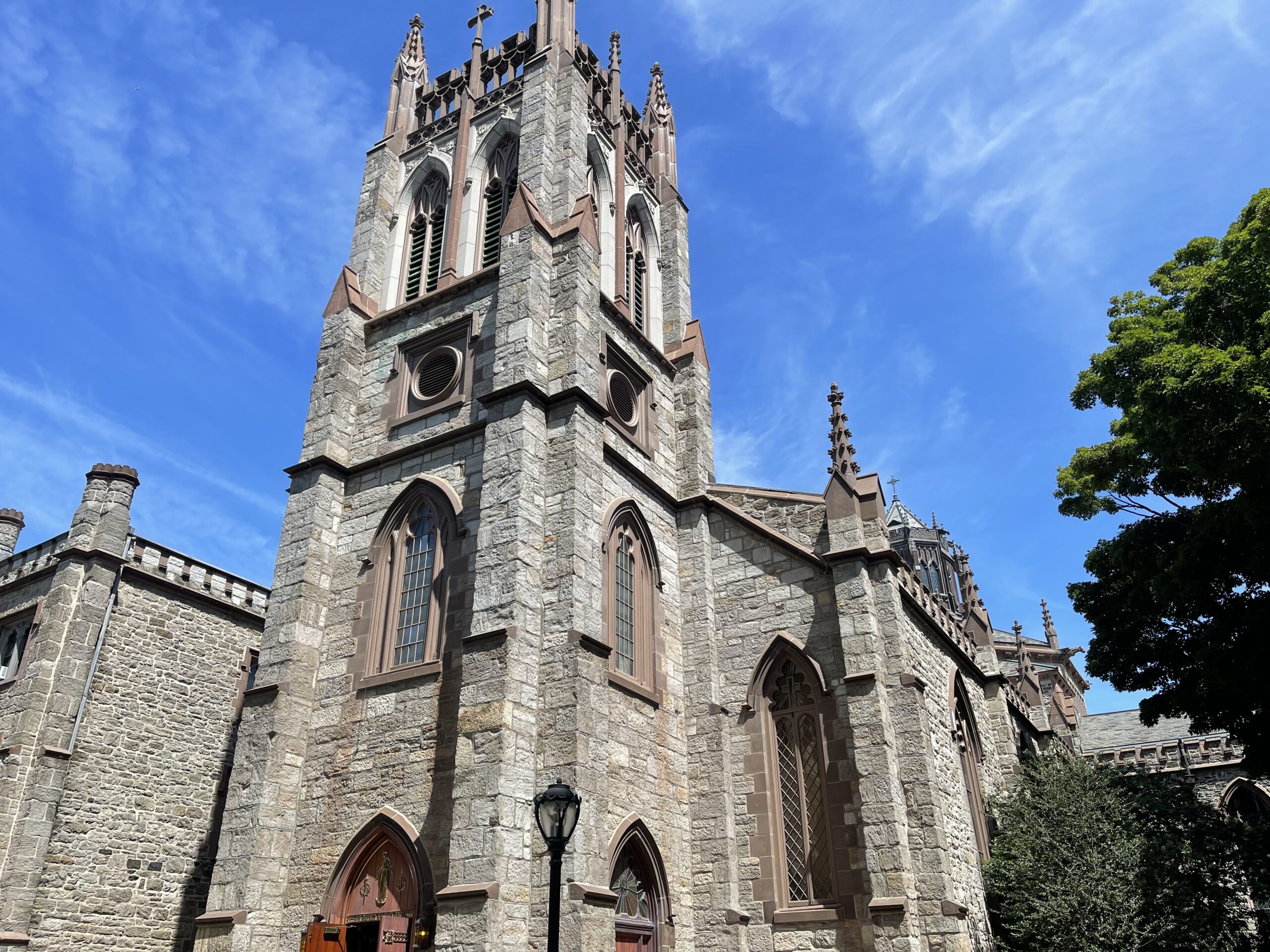
University Church, which presides over the gothic Queen’s Court residential college: a tight knit
community of 150 students interested in the humanities living and learning together. 

Sarah Lawrence College

I recently visited Sarah Lawrence College in Yonkers, New York. Here are some takeaways from my visit:

  • The admit rate is 66% for early decision and 55% overall.
  • With most students living on campus, there is an active campus community filled with performing arts events and club activities. NYC is accessible via a college shuttle and the nearby Bronxville train station (a 35-minute ride to Grand Central), but the typical student only goes to the city once a month and otherwise partakes of social/recreational opportunities on campus. There are many fun activities that pop up regularly on campus. Students also often head into Bronxville (an upscale, small Westchester town) or hang out at the nearby Cross Country Shopping Mall (which includes a popular movie theater), accessible by campus shuttle. Students speak with infectious energy about their unique studies and class projects. 
  • The campus is located within a wealthy suburban section of Westchester, NY. It is not overly large, and students tend to get around on foot. Students live either in dorms or residential “houses” that dot the campus environs. There have been recent upgrades to the campus, including the new “Barbara Walters” campus center—an elegant, modern student center with a dining hall and café. Given the arts focus of many students here, there are no fewer than six different theater spaces on campus and over ten theater productions per year. There is a “learn where you live” philosophy on campus, so many dorms have active classrooms in them. There are two campus shuttles that can shepherd students from the dorms to the sports center, campus center, and other campus locations. The Heim Gold Visual Performing Arts Center offers studio spaces, a film department, a sculpture studio, dark rooms and a sound stage. 
  • Sarah Lawrence provides small classes, highly supportive faculty, and wide curricular freedom for passionate, hard-working, and often alternative-minded students. The school is situated in a safe, attractive and upscale suburban community, but is also very near to NYC. Academically driven students who are self-directed, interested in interdisciplinary work, and looking for close relationships with supportive faculty should consider applying. Students with a particular interest in the arts and finding a creative campus community might also consider applying. While the student body is very liberal and inclusive and the college makes notable efforts to support the interests of diverse students, the campus generally lacks the racial and socio-economic diversity found at some other schools. 
Inside the new Barbara Walters Campus Center at Sarah Lawrence College.

Yale University

This week I visited Yale University in New Haven, Connecticut, where I toured the campus and spoke with the Assistant Director of Admissions about the latest trends in admissions. Here are a few of the recent happenings there I learned about:

  • Of the 2,234 students admitted this year, 800 were admitted early. The early acceptance rate was nearly 11%, whereas the regular decision acceptance rate was 3.36%.
  • The new Jackson School for Global Affairs will be opening this fall (2022) and plans to offer a selective, interdisciplinary major for which undergraduates may apply sophomore year. Global Affairs majors will learn to apply social science tools to global challenges and complete a public policy project as seniors on behalf of a real client.
  • Yale now offers two skills-based, pre-professional “certificates” to undergraduates, one in Programming and one in Data Science. Each certificate requires five courses to complete.
  • The student union, having undergone years of renovation and expansion, has reopened as the Schwarzman Center. It also houses The Good Life Center, run by Yale positive psychology professor Laurie Santos. The center offers programs and resources to help students build physical, mental, emotional and social wellness.
Yale alumnus Nathan Hale stands outside his dorm room at Connecticut Hall.