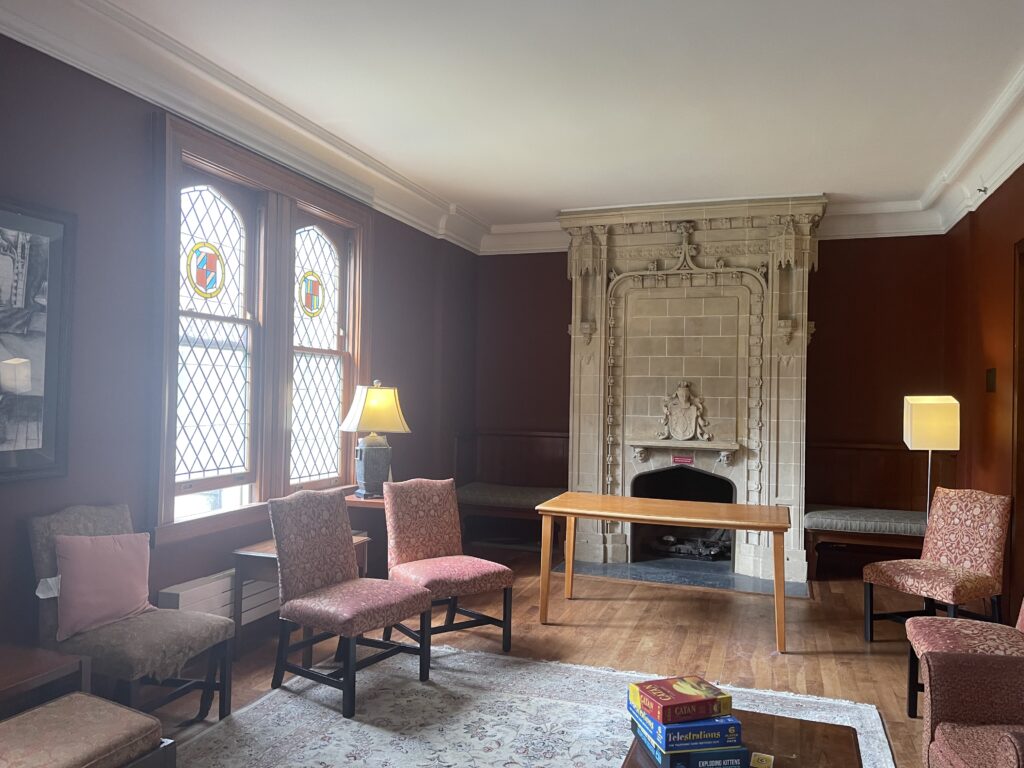
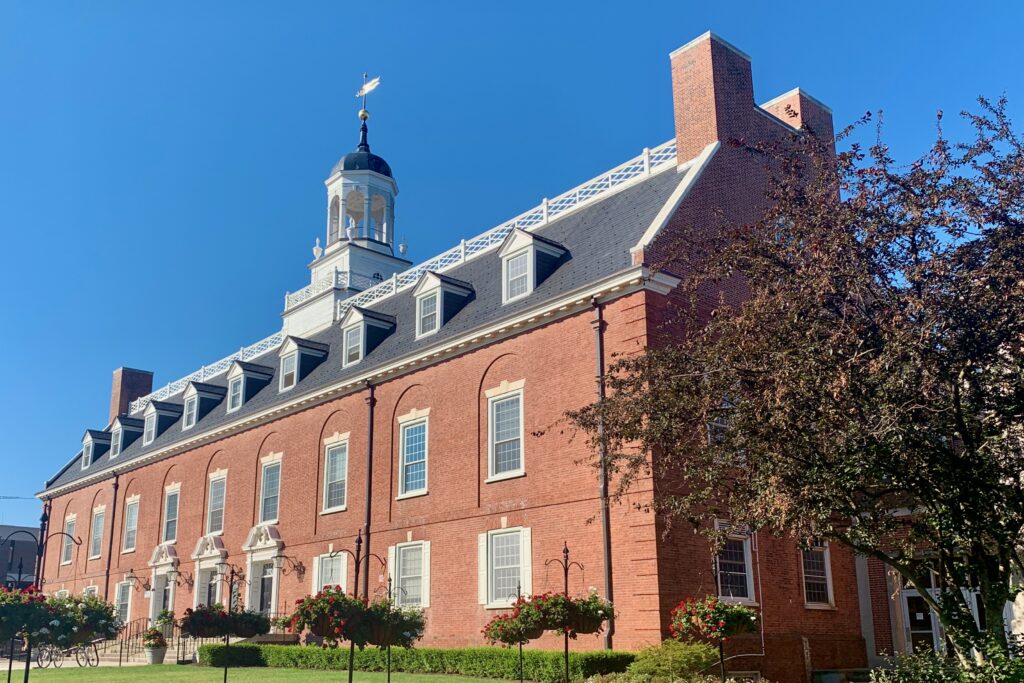
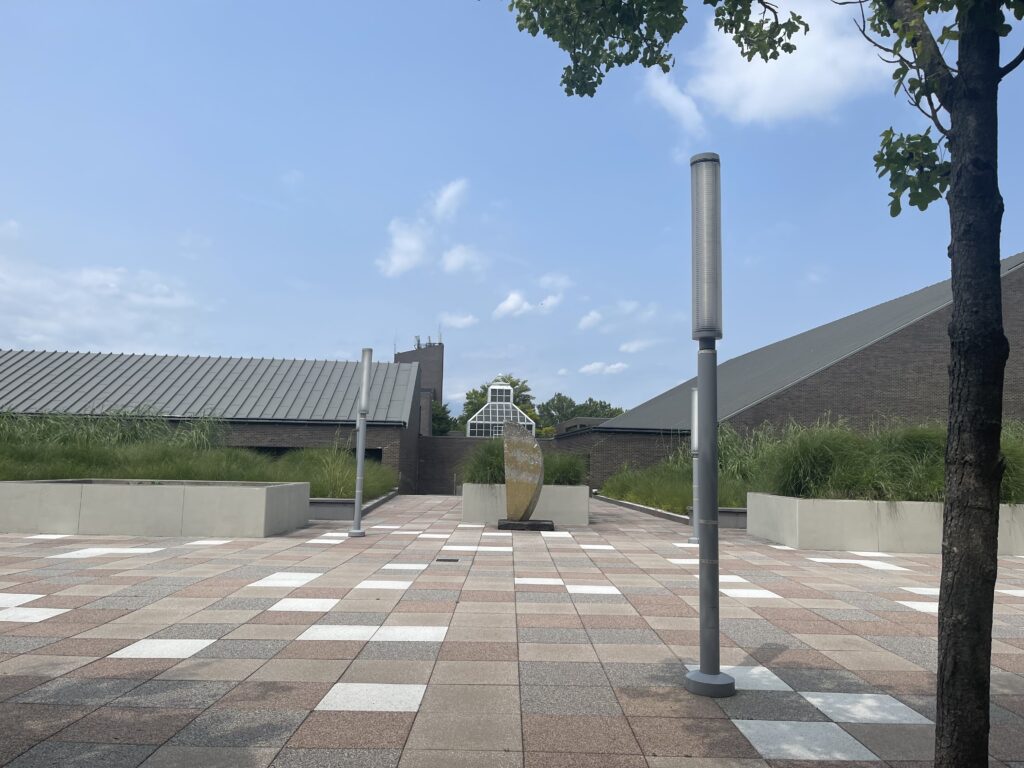
Elon University

I recently visited Elon University in Elon, North Carolina, where I toured the campus and spoke with the admissions office about the latest trends in admissions. Here are some takeaways from my visit:

· Fast rising in popularity, Elon is an undergraduate-focused university with just over 6,000 students (and fewer than 1,000 grad students) in the Piedmont region of North Carolina. Still less selective than regional neighbors like Wake Forest, Duke and UNC-Chapel Hill, Elon shares many characteristics with those institutions: stately Georgian architecture set amidst a lush campus, a high proportion of students from out-of-state (many from the Northeast), vibrant student life and robust school spirit.

· The small downtown of Elon abuts campus, while the largest nearby town, Burlington (population 60,000), is a 10-minute drive away. Although the region is largely rural, larger cities and attractions are reachable by car: Greensboro (30 minutes), Raleigh-Durham Research Triangle (60 minutes), Charlotte (90 minutes), the Appalachian mountains to the west (2.5 hours) and the beach to the east (3 hours).

· Popular schools and majors include communications, business, nursing, public health and a fledgling engineering program. Unlike at many colleges, students can seamlessly move and double major between most schools, including business, communications and engineering. The highly competitive musical theater program sends the sixth-largest number of students to Broadway of any program in the country. Sports management majors regularly intern in Charlotte, where the ACC Conference is headquartered. Lastly, the business school recently launched a new financial technology major, and finance and accounting are popular subjects of study (the school partners with many large accounting firms).

· The average class size is 20, and students have excellent access to faculty, particularly given the small number of graduate students. There is also robust academic advising and support. All freshmen take a course taught by their academic advisor that helps them explore majors and build a tentative four-year plan. Advisors must sign off on a student’s schedule before it’s approved, which helps ensure that students aren’t navigating the waters alone, and students can seek free help from campus tutoring centers, which notify professors when students use their services so that the professors can also help.

· There is no honors college, but Elon offers cohort-based academic “fellowship” programs in different fields that award merit aid and provide students additional opportunities to take courses together, network, study abroad and receive more centralized advising.

· Like at many Southern universities, Greek life plays a sizable role on campus, with around 45% of students participating. There is also a plethora of other activities, such as clubs, acapella, movie nights every Friday at the university’s private movie theater, theater productions, painting, bingo, concerts, open mic nights and more.

· 75% of students live on campus, and those who live off-campus typically live within walking distance.

· 90% of students intern, and Elon has campus centers in DC, LA and NYC. 67% of student internships turn into full-time job offers.
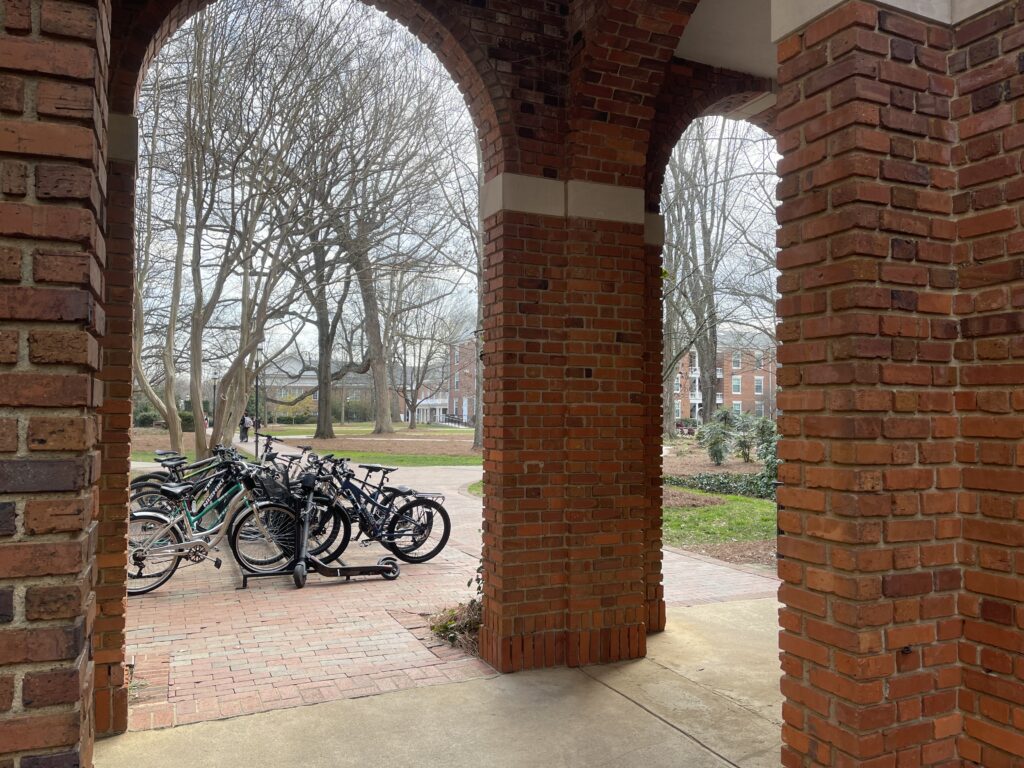
Marist College

I recently visited Marist College in Poughkeepsie, New York. Here are some takeaways from my visit:

· With around 5,500 undergraduates and under 1,000 graduate students, Marist effectively operates as an undergraduate-focused liberal arts college: there are no TAs, the average class size is 20 (with classes capped at 30), faculty must hold a minimum of five office hours each week, students can access research from year one, and there is a range of required liberal arts coursework. Hands-on, experiential learning opportunities abound.

· Marist combines the liberal arts with pre-professional preparation. Business and communications are the two most popular fields of study, with other STEM fields trailing not far behind. Each academic department has its own internship coordinator, and Marist hosts semester-long internship programs in Manhattan, DC and London. The college has a long-standing research partnership with neighboring IBM, where students often intern. There are many interesting on-campus work opportunities, such as the famed Marist Poll, the Center for Social Media and the Center for Sports Communication, which benefits from Marist’s relationship with ESPN.

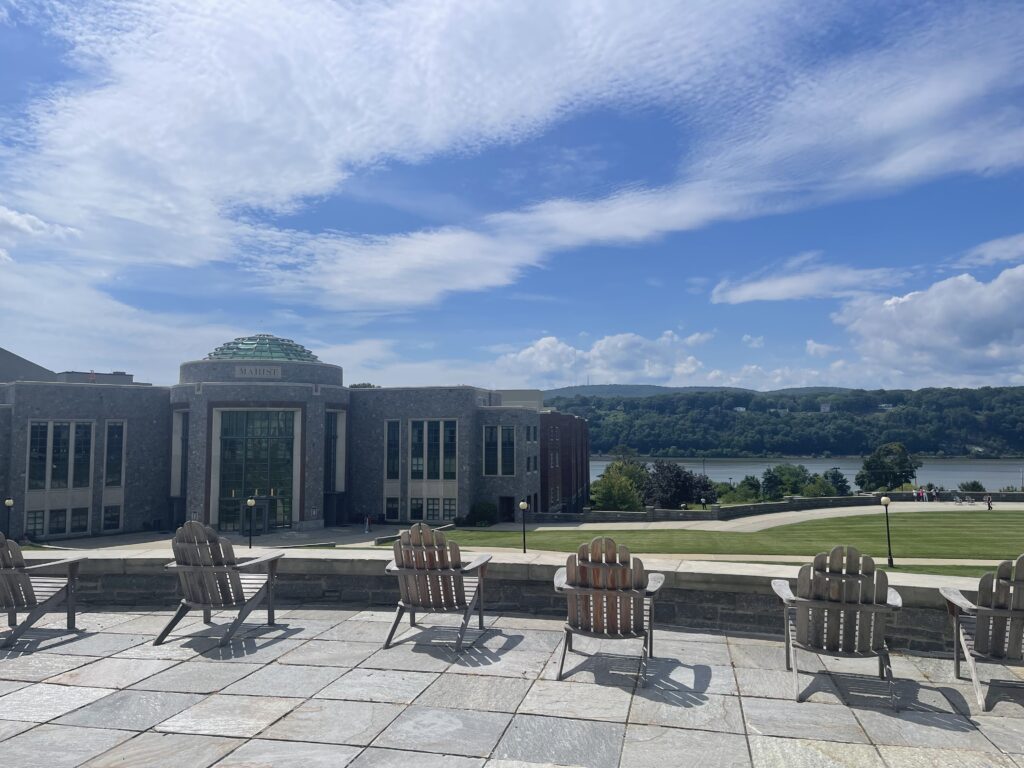
· The scenic Hudson Valley campus overlooks the Hudson River, with large glass windows allowing students to take in the view wherever they are on campus. 88% of students live on campus all four years. School spirit is strong. New York City is just under two hours away by train or car.

· Despite its Catholic founding, Marist is non-denominational, and most students are not actively religious. That said, traces of the school’s Catholic heritage are evident in its emphasis on service, ethics and character.

· Marist also has two overseas campuses in Dublin and Florence, and students can elect to spend their first year in either. Students can also complete all four years at the Florence campus if they choose.

· The honors college features special housing, coursework and research opportunities for the top 10-15% of incoming students.

· Marist hosts a fashion design program, and student-designed creations are sold at the on-campus Emporium store, which is managed entirely by students.

Marist’s scenic campus sits perched atop the Hudson River.

Vassar College

I recently visited Vassar College in Poughkeepsie, New York, where I toured the campus and spoke with the admissions office about the latest trends in admissions. Here are some takeaways from my visit:

· Vassar is a small liberal arts college with just under 2,500 students located in the scenic Hudson River Valley. The liberal arts are prized here, with students participating in a wide range of majors and no one major representing more than 6% of students. The average class size is 17 and student research opportunities abound.

· Vassar is known for its open curriculum, which has minimal requirements: one freshman writing seminar, one quantitative analysis class, and completing (or placing out of) a language requirement.

· Although Vassar went co-ed in the 1960s (it was formerly the sister college to Yale), women make up 60% of students. The campus vibe is artsy and intellectual and there is no Greek life. Similar to Yale, freshmen live in one of nine residential houses, each with its own particular flavor. Each house features a “parlor” with a Steinway piano, as well as a resident House Fellow: a faculty member who lives at the house and organizes regular social events for its members. 97% of students live on campus.

· The main campus is 400 acres, but the entire campus also includes a 400-acre farm where some science students will complete lab work. The campus is also a nationally registered arboretum, which also opens up avenues for scientific research in environmental science.

· Located in a suburban area of Poughkeepsie, students can take public transit into the city. When not attending activities on campus (which has five separate theaters and over 150 clubs), students can choose from multiple off-campus options, including hiking, biking and kayaking, the Bardavon Opera House (which features performances and talks), nearby art centers like Dia: Beacon and Storm King, eating at local restaurants staffed by chefs from the nearby Culinary Institute of America, or shopping in the Poughkeepsie Waterfront Farmers Market. New York City is also about 1 hour 45 minutes away by car or train.

A “parlor” in one of the nine residential houses. The Steinway piano is behind the camera.

Rutgers – New Brunswick

I recently visited Rutgers University in New Brunswick, New Jersey, where I toured the campus and spoke with the admissions office about the latest trends in admissions. Here are some takeaways from my visit:

· New Jersey’s flagship public university, Rutgers – New Brunswick is large, with 34,141 undergraduates spread out over seven schools and five separate college campuses in New Brunswick. Students ride Rutgers buses from one campus to the next as they commute between various classes and dorms.

· Rutgers – New Brunswick is located relatively centrally in New Jersey. A train station is directly adjacent to the College Ave campus, with trains reaching Philadelphia in 90 minutes and NYC in 40 minutes.

· The heart of campus is the College Ave campus, a historic, urban campus that dates back to the university’s founding in 1776. Johnson & Johnson, the single largest employer of Rutgers grads, is headquartered directly adjacent to this campus. The four other campuses have a more suburban feel.

· Douglass College, one of the five campuses, offers all-female student housing for students who identify as female, as well as a few courses centered around women’s empowerment.

· The Livingston campus features a 100+ acre ecological preserve where students can hike and commune with nature, while the Cook campus houses gardens and farms used by agricultural and animal science students.

· While most students eventually move off campus, on-campus housing is typically available all four years for those who seek it.

· The top 500 students in every incoming class become part of the Honors College, which features honors housing, a small handful of small seminar-style courses and some honors sections in your major spread out over four years, all topped off with a senior capstone project.

· Students can begin participating in research as early as freshman year. For premeds, Rutger’s Robert Wood Johnson Medical School is located in New Brunswick, as is the university hospital, which is a Level I Trauma Center.

· The Road to Wall Street program in the business school matches sophomores hoping to work on Wall Street with alumni who currently work there and helps prepare them to apply for Wall Street internships.

· The campus, like the Garden State, is diverse, with white students making up just 31.5% of the student body.

· Neither Greek life nor sports dominate campus life, although both are available to students seeking them. 13% of students participate in Greek organizations, many of which are centered around professional, cultural and service-based activities.

· At a school this large, students will need to be prepared to advocate for themselves and take initiative to ensure they’re successful.

Rutgers’ historic College Ave campus dates back to 1776.

Purchase College

I recently visited SUNY’s Purchase College in Purchase, New York, where I toured the campus and spoke with the admissions office about the latest trends in admissions. Here are some takeaways from my visit:

· With 3,226 undergraduates and only 77 grad students, Purchase is relatively unique in that it is both a public university and effectively a small liberal arts college. That means that students will find smaller classes (the average class size is 14 students) at public tuition prices.

· The vibe at Purchase is artsy and bohemian, and the campus has a sleek, modernist feel. Many students major in the arts or humanities. Premed applicants have the option of applying to the combined undergrad/MD program offered in conjunction with SUNY Upstate Medical University.

· Like at many liberal arts colleges, all students complete a senior project, be that original research or a creative work.

· Purchase offers programs in the traditional arts and sciences and the visual and performing arts. Roughly half of students will be enrolled in the School of Liberal Arts and Sciences (LAS) and half in the School of the Arts. While doubling majoring in both schools is difficult, LAS students will often double major within LAS or add a minor in a visual or performing art field. The degree of access to arts coursework, theatrical productions, musical ensembles and the like for LAS students, however, can vary.

· Some distinctive majors include Legal Studies, Arts Management, and Latin American, Caribbean and Latinx studies. With 47 majors and 32 minors across both LAS and arts programs, however, the overall selection of majors is somewhat more limited than at many other colleges.

· Due to its proximity to NYC, Purchase attracts a number of arts faculty active in their fields and with industry connections that can benefit students.

· Purchase College is located in an upscale, suburban area of Westchester. Major corporations (PepsiCo, Mastercard) and large, wealthy estates dot the surrounding terrain. As a result, two-thirds of students live on campus all four years (with the remaining third largely commuting from home). For entertainment, the campus is abuzz with activity, including over 50 shows offered each semester at the campus performing arts center. When they head off campus, students often take the free university shuttle to neighboring White Plains, Port Chester or Mamaroneck. There is no town center within walkable distance of campus, which does make the campus feel somewhat isolated.